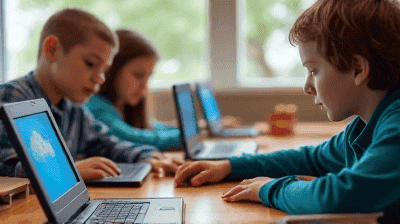
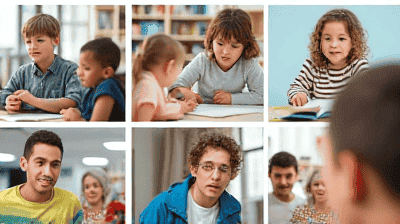
As educators, understanding the diverse range of disabilities encountered in a classroom is essential for creating an inclusive and effective learning environment. Special needs students may have unique challenges that affect their learning; understanding these challenges allows teachers to tailor their instruction, provide appropriate accommodations, and foster a supportive atmosphere. This comprehensive guide will explore the various types of disabilities, their characteristics, and effective strategies f
In the realm of special education, the foundational principle that underpins successful outcomes is the establishment of strong relationships. Building meaningful connections among students, educators, families, and support staff is crucial for fostering an inclusive educational environment. This article explores the various facets of relationship-building in special education and emphasizes its significance in promoting positive academic, social, and emotional development for students with diverse learning
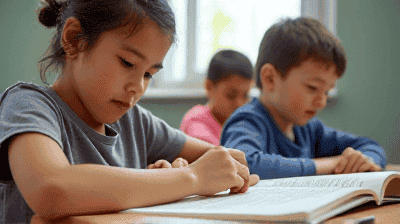
Dyslexia is one of the most common learning disabilities affecting students worldwide. It primarily impacts an individual’s ability to read, spell, and decode words. However, with the right strategies and techniques, students with dyslexia can learn to navigate these challenges and become proficient readers. This article explores effective reading techniques for teaching students with dyslexia, offering educators practical strategies to implement in the classroom.
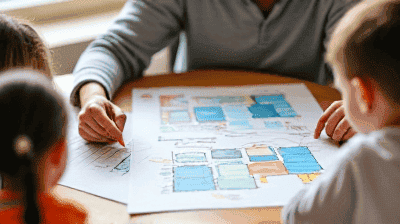
In the field of special education, creating an Individualized Learning Plan (ILP) is a fundamental aspect of ensuring that students with unique learning needs receive the tailored support they deserve. An ILP serves as a roadmap for the educational journey of a student, outlining specific goals, accommodations, and instructional strategies to facilitate learning. This article explores best practices for special education teachers in crafting effective Individualized Learning Plans that meet the diverse need
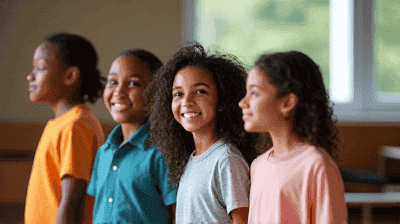
In today's increasingly diverse educational landscape, culturally responsive special education has emerged as a vital approach to ensure that all students, particularly those with disabilities, receive equitable and effective support. Recognizing and valuing the cultural backgrounds of students is essential in creating an inclusive classroom environment where every learner can thrive. This article explores the principles of culturally responsive special education, effective practices, and the importance of
Emotional and behavioral disorders (EBD) in students can significantly affect their learning experiences and overall development. As educators, it is essential to understand the nature of these disorders, their impact on academic performance, and strategies to create a supportive environment for affected students. This article will dive deep into emotional and behavioral disorders, their characteristics, the impact on learning, and practical strategies educators can apply to foster a more inclusive and supp